What is a NABERS rating? Australia's building energy rating, explained

NABERS is Australia's building energy rating, and if you do commercial HVAC work it quietly tells you which buildings are bleeding money on heating and cooling. Here is what a NABERS rating is, how the star scale works, who needs one, how to look one up, and why the worst-rated buildings are the best leads you can get.
What is a NABERS rating?
NABERS, the National Australian Built Environment Rating System, is a government rating of a building's real, measured energy use, on a scale from half a star to six stars. It is not a design estimate or a brochure claim. It is based on twelve months of actual metered consumption, normalised for size, hours and climate, so any two buildings can be compared fairly.
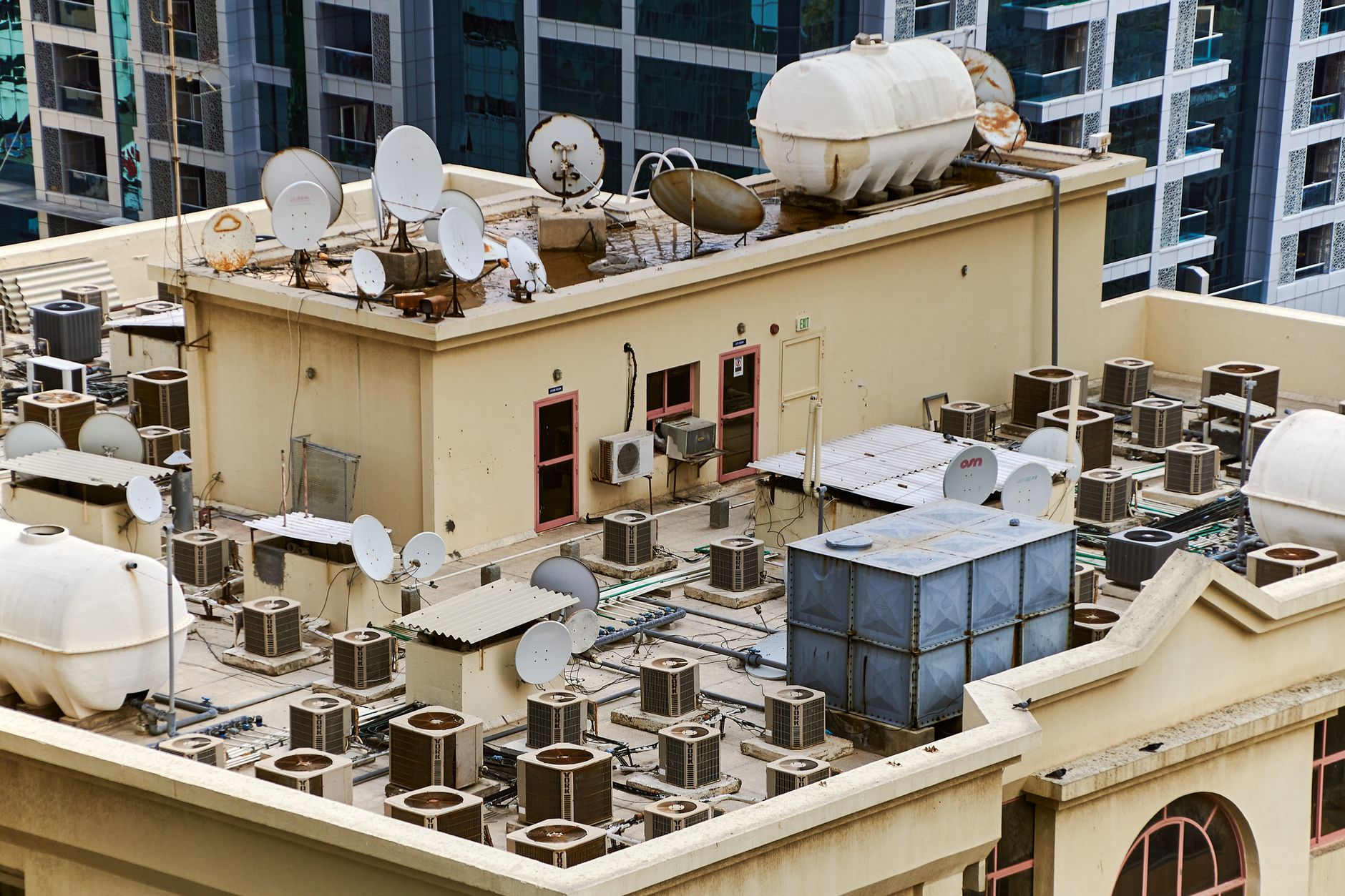
In a commercial building the single biggest thing it captures is heating, ventilation and air-conditioning, because HVAC is usually the largest energy load on the meter. So when a building scores poorly, the HVAC is almost always a big part of the story.
A low NABERS star rating is a public, measured, hard-to-argue-with signal that a building's heating and cooling is old, inefficient, or badly tuned. That is your work, flagged in advance.
The NABERS rating scale, from half a star to six
The scale runs from 0.5 stars (very poor) up to 6 stars (market-leading). You do not need to be an energy assessor to use it, the star rating maps cleanly onto how good a lead a building is:
| Rating | What it usually means |
|---|---|
| 0 to 2 stars | Old or failing plant, poor controls, high bills. The strongest upgrade opportunity. |
| 2.5 to 3.5 stars | Average. Often a tuning, controls or partial-retrofit job. |
| 4 stars and up | Well run. Less to gain, harder to sell an upgrade. |
What a low rating tells you about the HVAC
A building sitting at 1 or 2 stars is not a mystery to solve. It is running tired chillers, poor controls, or plant well past its best, and paying for it every quarter. That is exactly the building that benefits most from an upgrade, a retrofit, or a tuned building management system, which is exactly the work you do.
Who needs a NABERS rating, and when?
Under the Commercial Building Disclosure program, most office spaces over 1,000 square metres must obtain and disclose a Building Energy Efficiency Certificate, which includes a NABERS Energy star rating, whenever the space is sold or leased. Plenty of owners also rate voluntarily to prove performance to tenants. Either way, those ratings become public.
How to look up a building's NABERS rating
The ratings are public and licensed for reuse, so anyone can look one up on the register. The hard part was never finding a single rating. It was turning the whole register into a ranked list of buildings to actually contact, worst-first, with a savings number that gets the owner's attention.
- Low stars = old or inefficient HVAC = a real upgrade opportunity.
- The rating is measured, not guessed, so it is hard for an owner to argue with.
- It is public data, so there is nothing shady about using it to find work.
That last part, the ranked worst-first list with a personalised savings number on each building, is exactly what Frozen Fund builds into your mail for you.
Want the buildings near you that fit this, already sorted worst-first and ready to post?
build a campaign ❄️Or browse commercial HVAC, refrigeration, air-conditioning or buildings by city.