Why a 2-star building is a goldmine for HVAC contractors
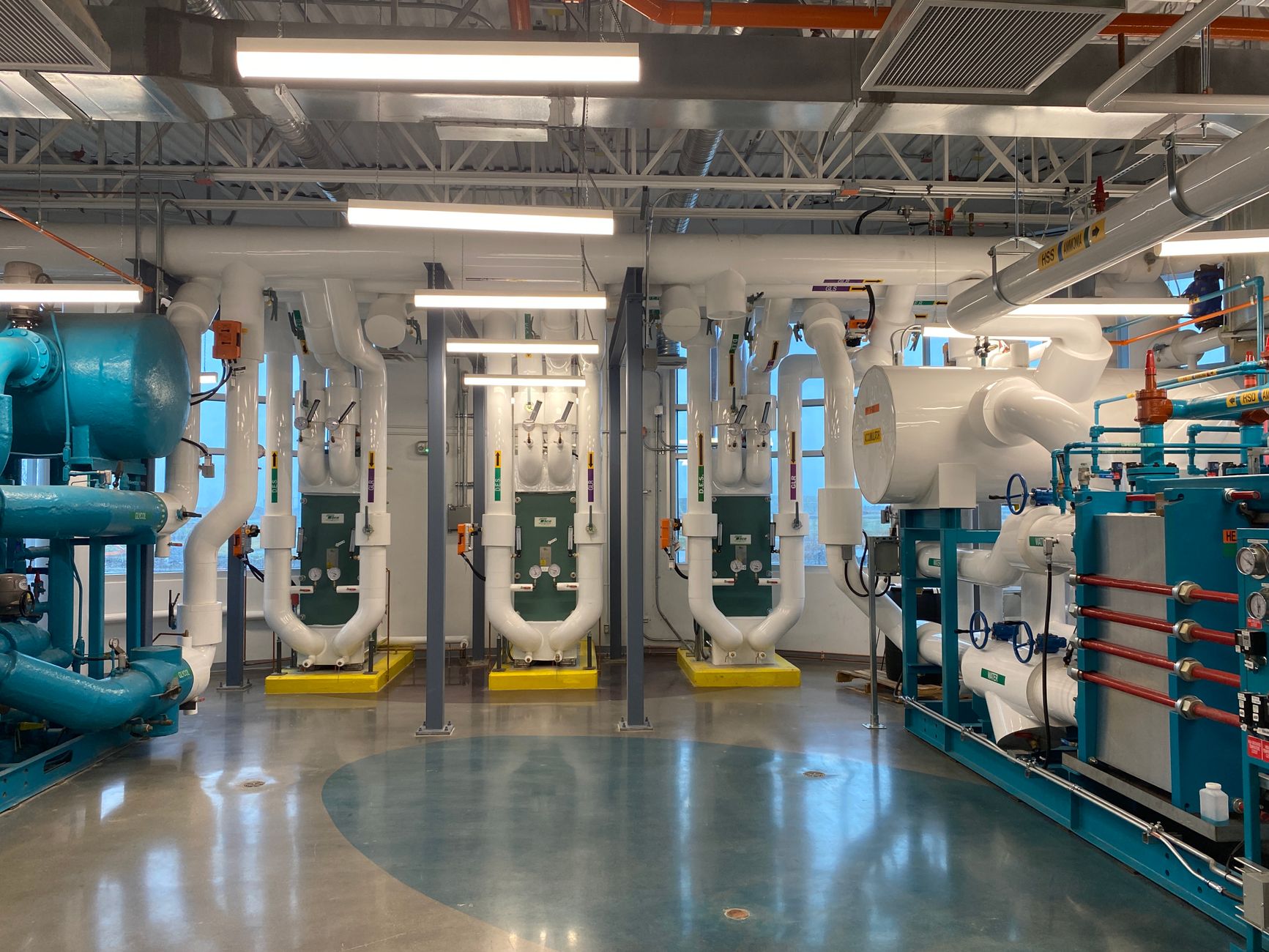
Most HVAC contractors chase work through referrals, the odd tender, and hoping the phone rings. Meanwhile the buildings that need them most are sitting in plain sight, publicly flagged as energy-hungry, and nobody is knocking. A 2-star building is one of the best leads you can get. Here is why.
A low rating is a standing invitation
A building rated 2 stars is spending far more on energy than a well-run one of the same size, and a large slice of that gap is the HVAC. The owner or facilities manager often knows the building is thirsty but has never had a clear, specific number put in front of them. That number is your opening.
The savings pay for the work
Lifting a building from 2 stars toward 4.5 through better plant, controls and tuning can cut a meaningful chunk of total energy use. On a large floor plate that is real money every year, often enough that the upgrade pays for itself and then keeps paying.
When you lead with the saving, you are not selling a cost, you are selling a return. That is a very different conversation.
It is a better building too
- Lower running costs the owner feels every quarter.
- A higher rating that lifts the building's value and leasability.
- More comfortable, more reliable, fewer breakdown call-outs.
You do not have to convince a 2-star building it has a problem. The rating already did.The whole pitch, in one line
You just have to be the contractor who turned up with the fix, before anyone else did.
Want the buildings near you that fit this, already sorted worst-first and ready to post?
build a campaign ❄️Or browse commercial HVAC, refrigeration, air-conditioning or buildings by city.