When is a commercial chiller due for replacement, and how to find those buildings
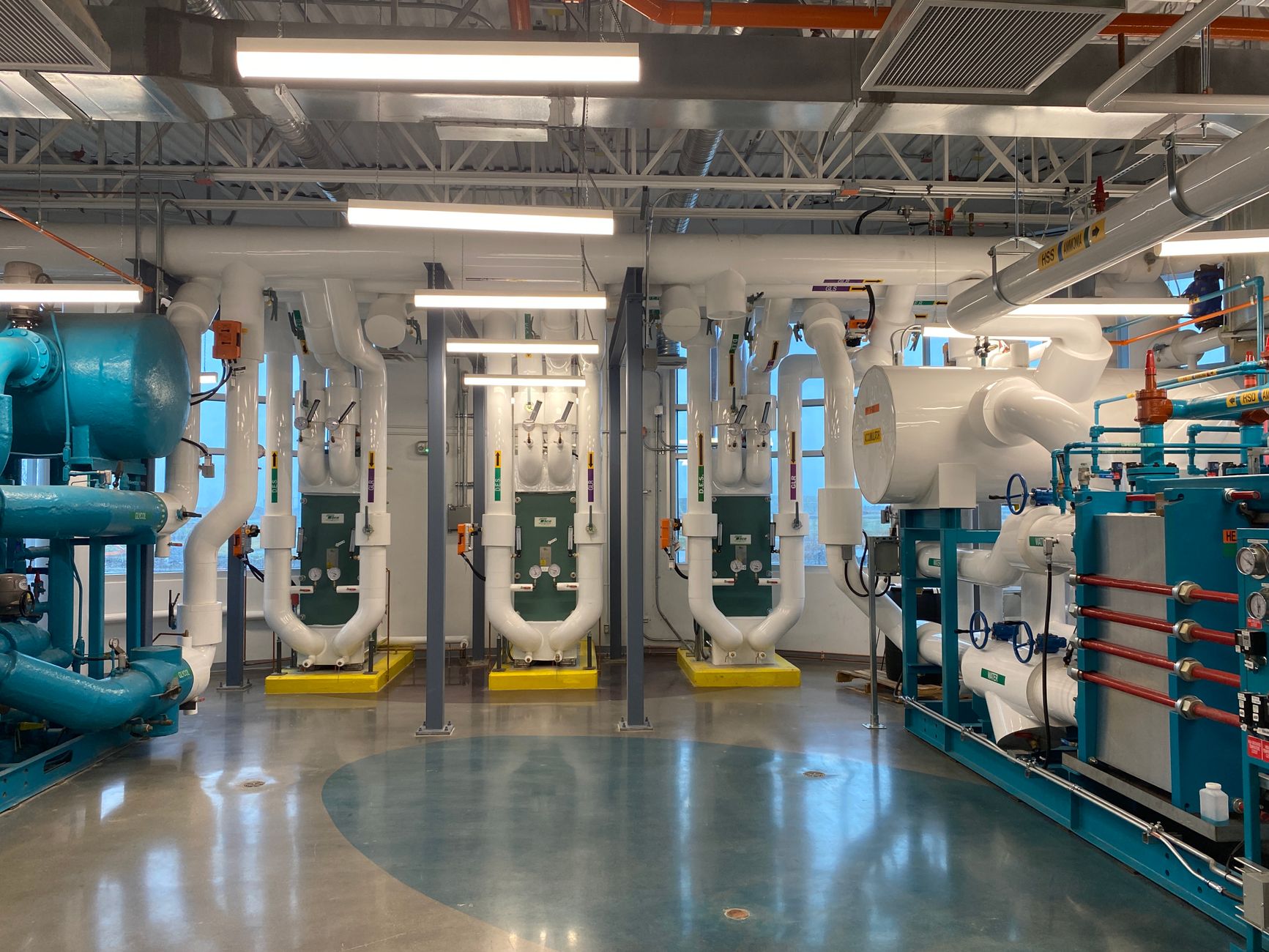
A commercial chiller is the heart of a building's cooling, and it is also one of the most expensive pieces of plant to run when it ages. For a mechanical contractor, a building limping along on a tired chiller is a high-value lead: a real retrofit or replacement job, not a two-hour service call. The trick is spotting which buildings are in that window, and getting to them first.
How long a chiller really lasts
Most commercial chillers have an economic life of roughly fifteen to twenty-five years, but economic life is not the same as switch-it-off life. Long before it fails, an ageing chiller drifts down in efficiency, needs more repairs, and burns more energy for the same cooling. The owner often keeps nursing it because a replacement feels huge, even while the running cost quietly climbs.
The signs a building is in the replacement window
You know these on site, but from the outside the public data points at the same buildings:
- A low NABERS rating (1 to 2.5 stars), the clearest public flag of tired plant.
- An older building that has not had a visible mechanical upgrade.
- A large floor plate, where cooling load and running cost are high.
- Rising complaints about comfort or reliability, if you can hear them.
You cannot see inside a plant room from the street, but a building's measured energy rating already reflects what is in there. Worst-rated first is, in practice, a chiller-replacement shortlist.
Getting to the decision-maker
Chiller replacements are signed off by an owner, a facilities manager, or the building's managing agent, not the front desk. A personalised piece of mail to that role, showing the building's rating and what a modern plant could save, reaches the right person with a specific, credible reason to talk. It frames you as the specialist who already sized up the opportunity.
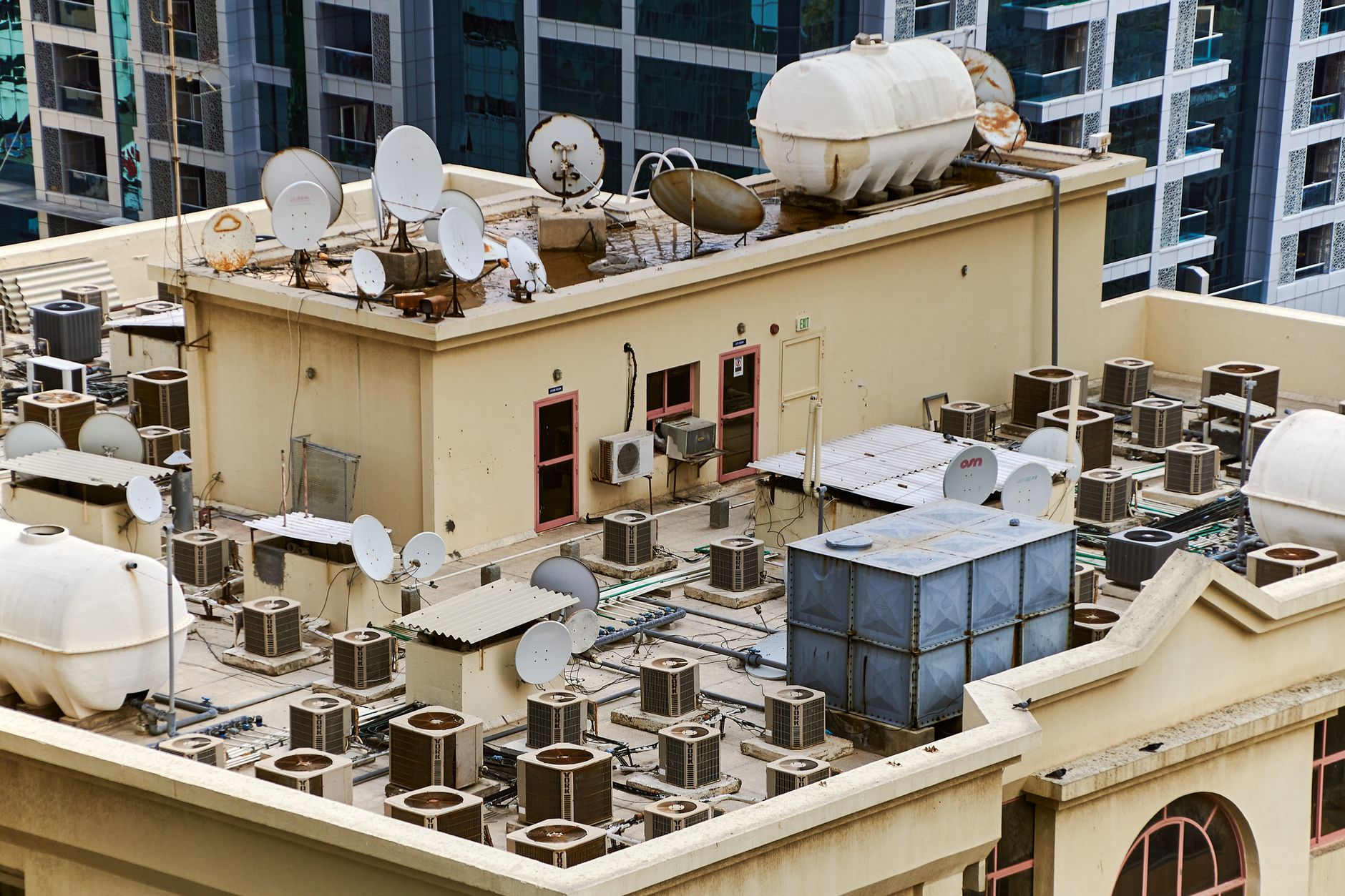
Replacements are big jobs with long lead times, which is exactly why you want to be in front of these owners early, before the chiller finally quits in February and someone else gets the emergency call.
Want the buildings near you that fit this, already sorted worst-first and ready to post?
build a campaign ❄️Or browse commercial HVAC, refrigeration, air-conditioning or buildings by city.